
How to Separate Search Intent, Sources, Claims, and Publishing Conditions
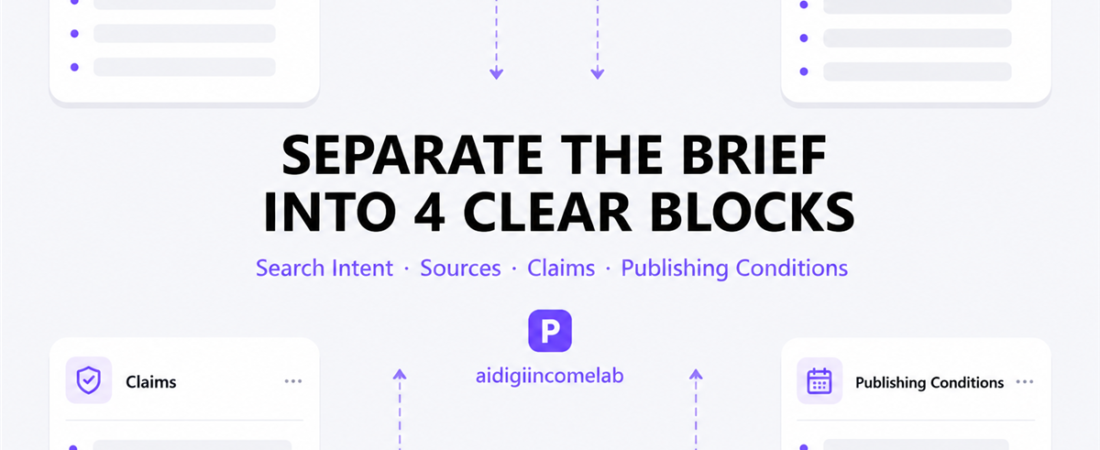
Direct answer: Give each instruction one job. Search Intent defines the reader’s task, Sources defines the evidence pool, Claims defines the burden of proof, and Publishing Conditions defines the finished deliverable.
Why mixed SEO briefs create avoidable rework
An SEO brief can contain every requested detail and still be hard to follow. Trouble starts when reader intent, evidence rules, claim limits, and page requirements appear as one undifferentiated instruction. The writer then has to guess whether a line controls relevance, research, factual support, or formatting.
Separate the four decisions first. Combine them only after each block can stand on its own.
1. Define search intent as a reader task
Describe the decision or task the reader needs to complete, the answer they expect, and what is outside the assignment. A keyword names a subject; useful intent explains the job the article must do.
SEARCH INTENT
Reader: A blog editor building an SEO and fact-check brief.
Task: Separate research instructions from drafting and publishing rules.
Expected answer: A reusable block structure, example, and final quality check.
Out of scope: General keyword research and platform setup.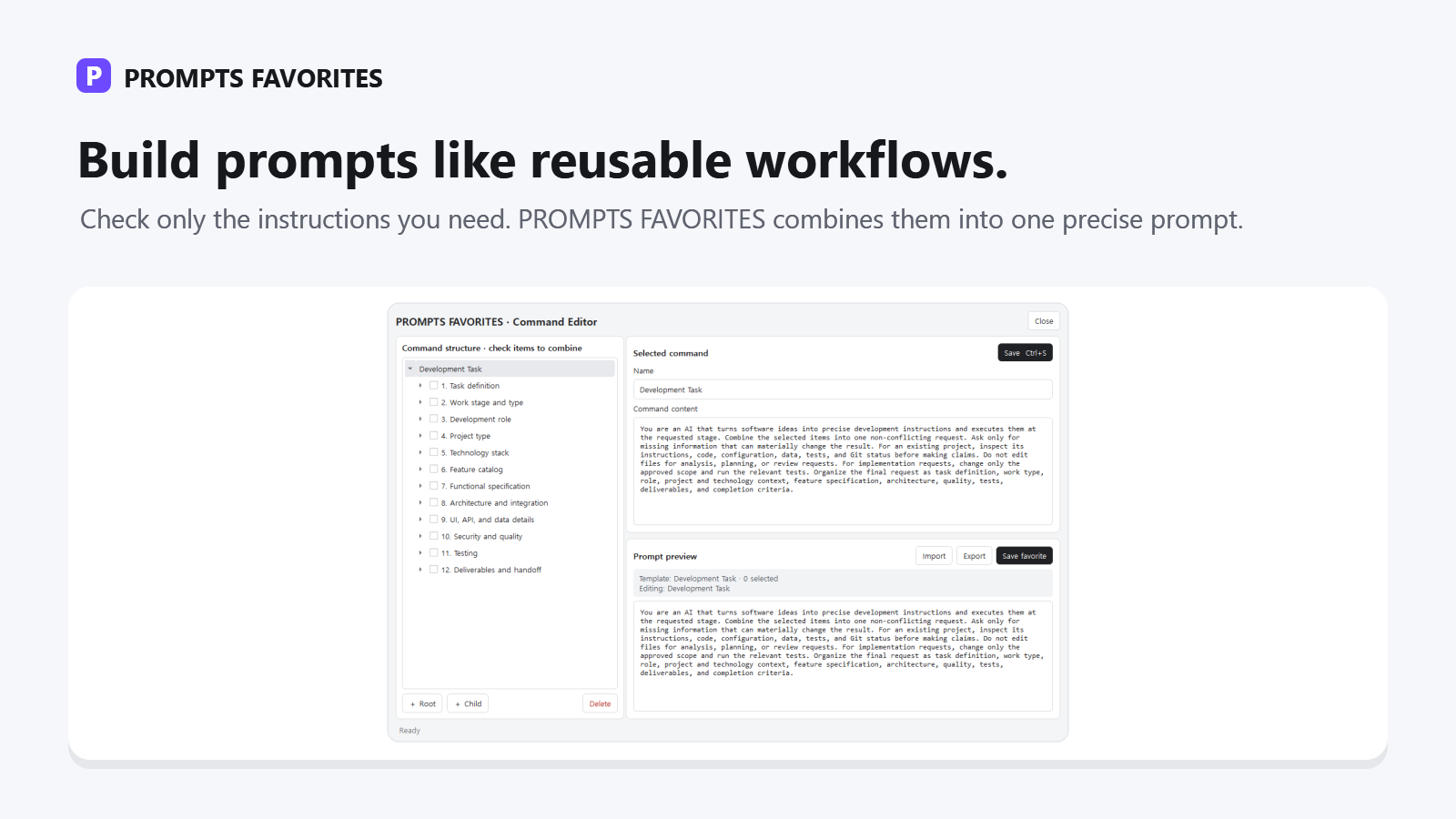
2. Keep source rules separate from conclusions
The Sources block says what evidence is allowed, how a source is selected, when freshness matters, how conflicts are handled, and what must remain traceable. It should not contain the conclusion you hope the article reaches.
If research is not authorized, say so here. If only supplied materials may be used, make that boundary explicit.
3. Map claims before drafting
Classify each planned statement as a supported fact, a qualified statement, or an interpretation. Product capabilities, prices, dates, compatibility, measurements, outcomes, and quotations need appropriate support. Preserve important conditions and limits.
- Supported fact: confirm it against the allowed material.
- Qualified statement: name the condition or limited scope.
- Interpretation: present the reasoning as analysis, not as a sourced fact.
If the evidence is insufficient, narrow, attribute, or remove the statement.
4. Put final-page requirements in publishing conditions
Structure, language, links, images, metadata, CTA requirements, filenames, and delivery checks belong in Publishing Conditions. These instructions shape the deliverable; they do not rewrite the source or claim rules.
Use a four-pass review
- Intent: Can you state the reader’s task in one sentence?
- Sources: Are the allowed evidence and restrictions explicit?
- Claims: Can each factual statement be supported, qualified, or removed?
- Publishing: Are format, language, assets, links, and CTA requirements complete?
Finish by checking for leakage. A desired conclusion does not belong in Sources. A source preference does not belong in Search Intent. A word count or CTA does not change what counts as evidence.
Make the structure reusable
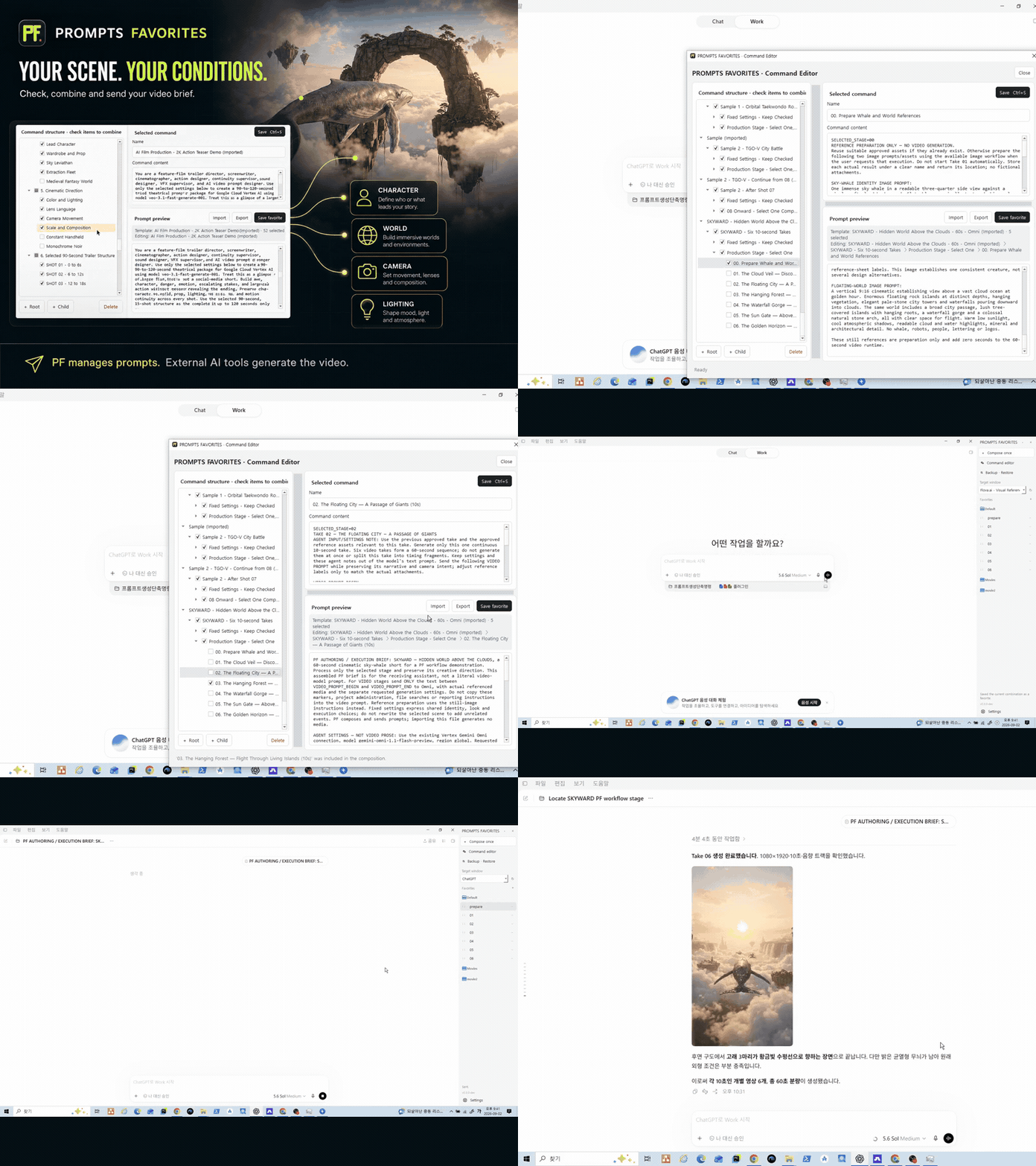
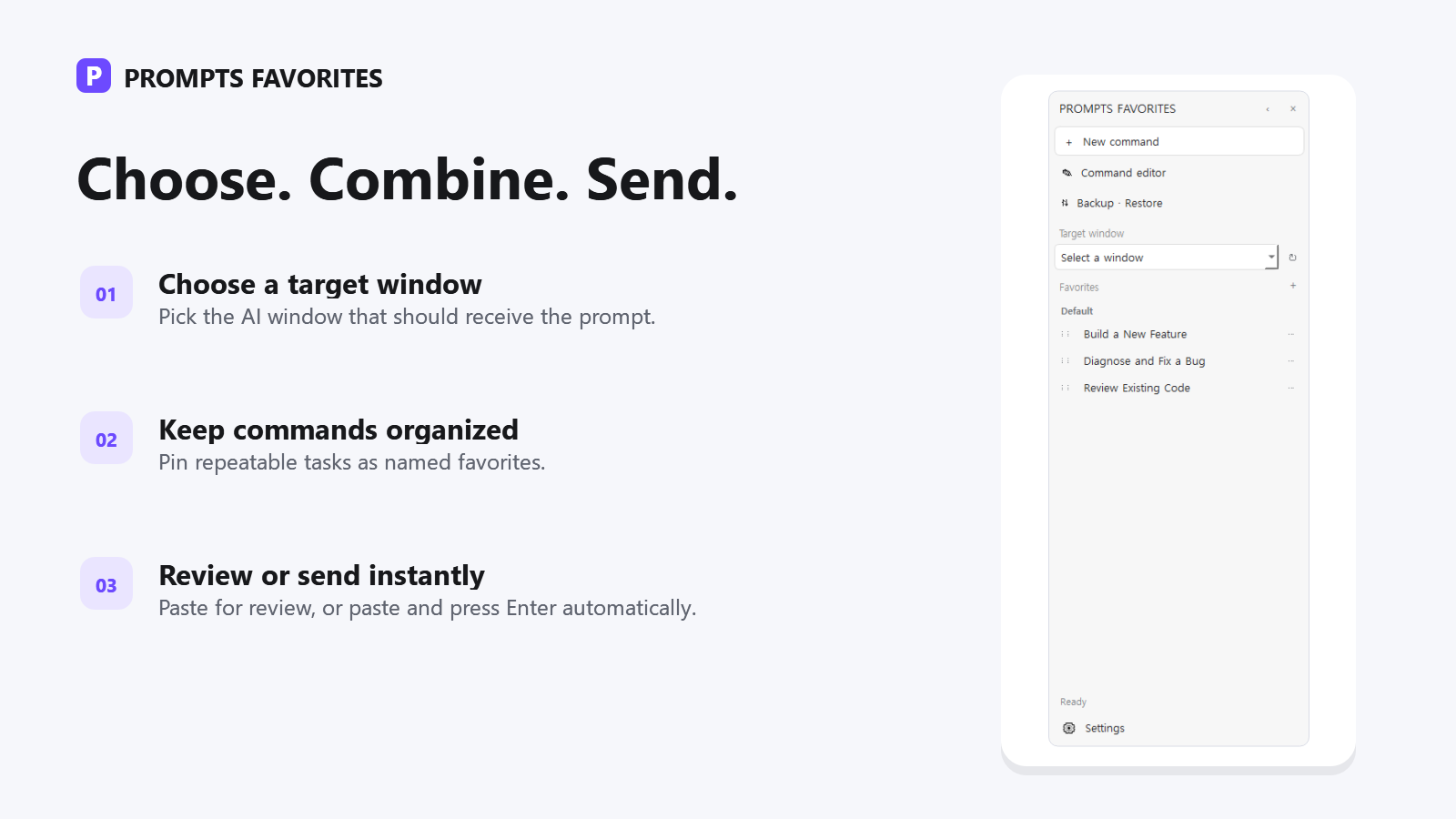
You can keep the four blocks in a plain document. PROMPTS FAVORITES provides a Windows workflow for hierarchical, selectable instruction blocks. It can combine selected blocks into a preview, save named favorites or workflows in local JSON storage, and send the finished instructions to a selected Windows target.
PROMPTS FAVORITES organizes and sends instructions; it does not generate the AI answer, article, video, code, or income.